
They're Coming
That's what the video says, anyway

Biases are tough to analyze.
This is because a bias is usually something that you haven’t thought about. Human brains probably developed cognitive bias so that we could process ideas that are hard to quantify or analyze, making it easier to judge the world around us and make inferences from scarce information. As the paper at that link states, “These include inferences about danger, the cooperativeness of others, and the sexual and romantic interests of prospective mates.” They can also include any number of inferences that people draw about the world from the news they consume.
The point is, “bias” is not necessarily “bad” - but when you notice that you’re acting on a bias, sometimes it is helpful to look at where that bias comes from. We, humans, may develop a bias because the information we need to make an informed or rational decision is scarce, and keep relying on that bias even after information that refutes it comes to light. If it turns out that our bias led us astray, but we want to avoid the embarrassment of admitting we made a wrong decision, we may find ourselves motivated to ignore the new evidence.
For example:
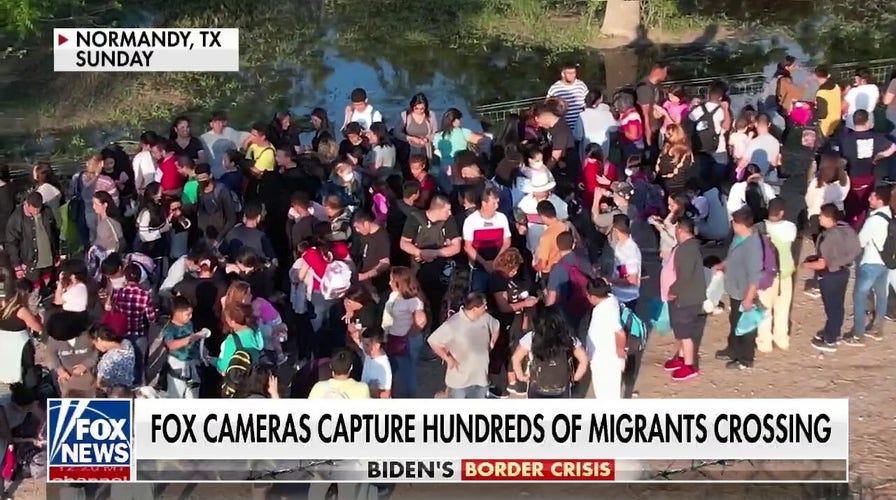
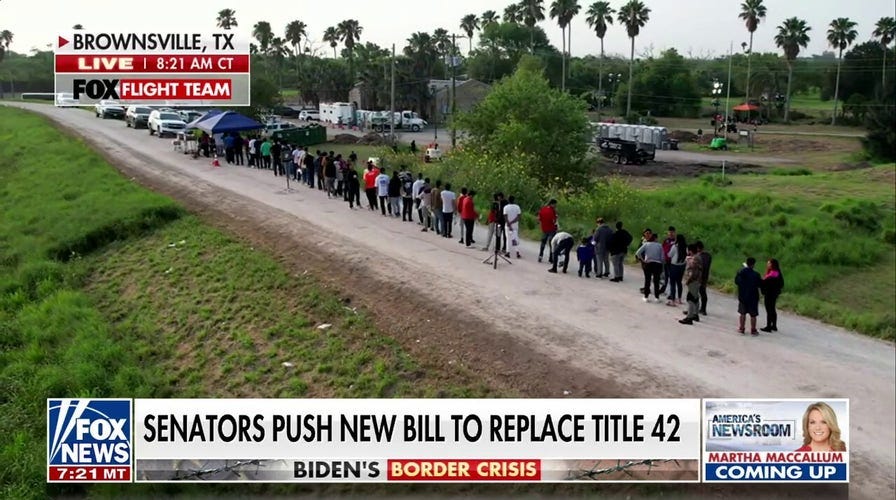
The news channel that used to tout itself as “fair and balanced” routinely runs stories about what they call the immigration crisis at the southern U.S. border.
or
or
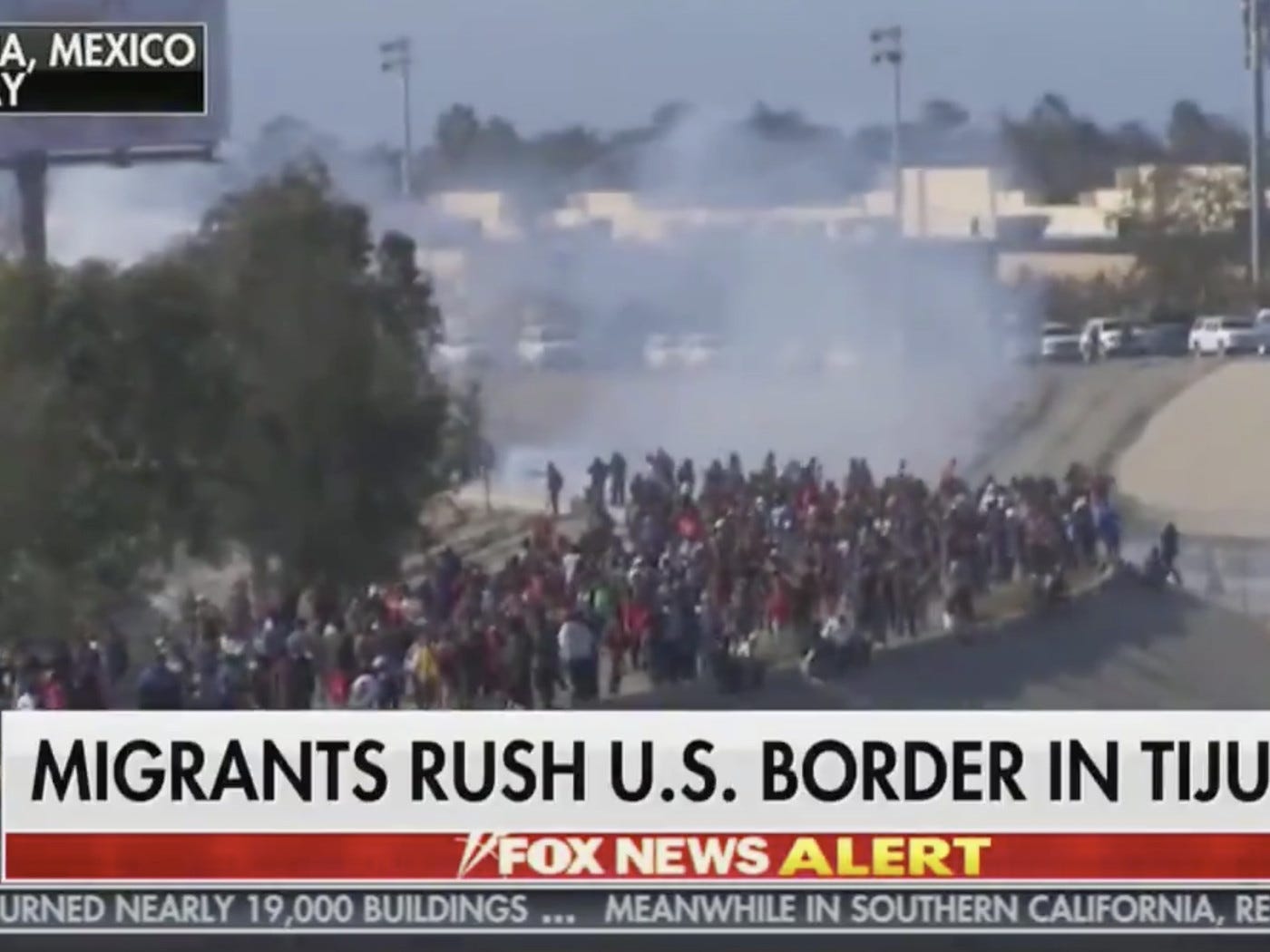
The story these pictures try to tell you depends on certain biases. They show you pictures of large groups of people while telling you that those people shouldn’t be there; that those people are breaking laws; that those people are asking for special treatment that they don’t deserve. There are usually “experts” speaking about dramatic increases in “illegal” immigration, human trafficking, drug smuggling, etc. while they show you these particular pictures, so that your mind will associate these particular crowds with frightening statistics about criminal activity. Never mind that the people you see on screen are queued, orderly, and very likely standing in the queue for one of the many legal reasons people come into our country.
Imagine being shown this image…

…while a very serious expert told you about the very serious crimes of line-jumping, ticket scalping, and parking lot theft - counting on the image to bring home the point that poor Spaceship Earth is being overwhelmed by criminals.
And simply calling people out for falling victim to their biases is a loser tactic. Point out to someone that they are being misled on one point, and their natural inclination to defend themselves from embarrassment will kick in. Some of them are simply good-hearted people who “don’t like politics” and “just want common sense” to prevail - and some are part of the disturbingly large number of Americans who want to make our already terrible immigration laws more terrible so that the people in the first set of pictures will stop coming to the country.
For someone like me, discussing this particular issue with people is difficult, because if I assume noble intent on the part of the person I’m talking to, it can be extremely difficult to figure out what they actually think about U.S. immigration. Do they actually know what our laws say? (Usually not.) Do they actually know what they want our laws to say? (Vaguely, at best.) And can I tease out answers to those questions without making them feel attacked (“I am NOT a racist! How dare you!”) or make them understand what I think about the issue? Rarely.
Most often, those discussions take us to a place where I am accused of either wanting “completely open borders” - which works pretty well between the 48 contiguous U.S. States - or wanting a suffocating bureaucratic police state to deter criminal activity. And since people tend to have strong emotional biases against either of those suggestions, I find it difficult to communicate any kind of nuanced response to their reactions.
The immigration issue is complicated by the way it butts up against other scary or emotional issues - the failed U.S. Drug War, the over-priced/under-performing U.S. healthcare system, and our willingness to help refugees or marginalized and persecuted groups. It’s going to get worse as more people flee from climate-driven disasters, and if we continue to rely on our unexamined biases to guide us, the angry and frightened reactions to the increase in refugees will have predictably ugly results.
If you think I’ve called you out at all, I invite you to examine your reactions to specific memes or news items that touch on immigration. If you need help understanding how to untangle the facts and make sense of the conflicting narratives, feel free to comment here or email me. I won’t pretend I don’t have my own struggles with biases or that I am as informed as I would like to be, but I am pretty good at turning common ideas upside down and testing their strengths and weaknesses.
We shouldn’t expect to have the answers before we ask the questions - but we must be willing to put in the work of examining the evidence and following it to a reasonable conclusion. And that may mean ignoring what we see on cable news.